Quarter Miles of Silence: The Welding Science That Retired the Clickety-Clack
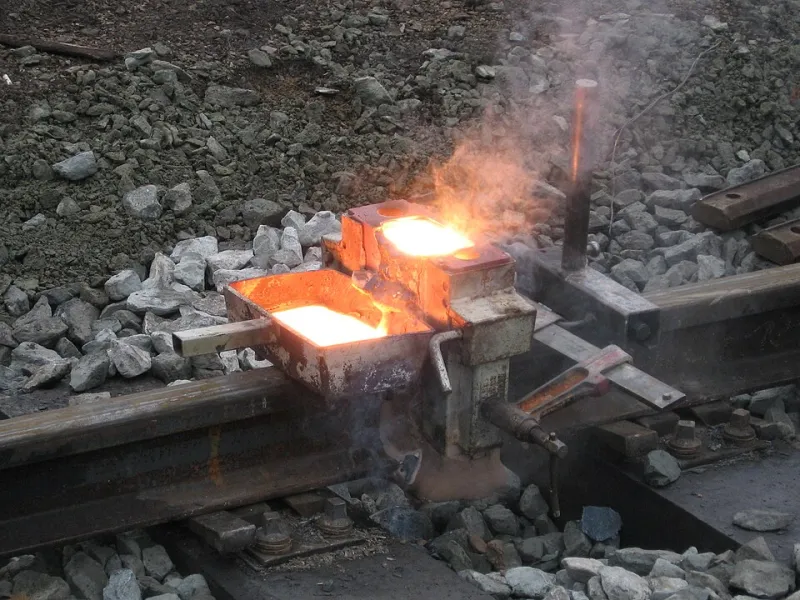
Photo: PetrS., CC BY-SA 3.0, via Wikimedia Commons
For most of the twentieth century, the sound of an American railroad was the sound of its own weakness. Clickety-clack: every few yards, a mechanical joint flexing under tonnage, wearing, loosening, and slowly costing the industry billions in maintenance, fuel, and lading damage. The elimination of that sound was not a single invention but a manufacturing and metallurgical achievement—one that today's procurement specifications should treat as a baseline rather than a premium.
The Joint Problem, Quantified
Bolted joints were the structural compromise of the steam era. Rail was delivered in 39-foot lengths because that is what a flatcar could practically handle, and crews joined it with joint bars and field bolts. Each joint introduced a gap in the running surface—typically a quarter to a half inch—that permitted wheel impact with every passage. Those impacts drove geometry degradation, cracked joint bars, pumped ballast, and generated a disproportionate share of derailment risk. Industry studies long attributed a majority of rail-related derailments to joint failure. The joints also robbed railroads of efficiency: impact losses translated directly into fuel burn and car wear across the network.
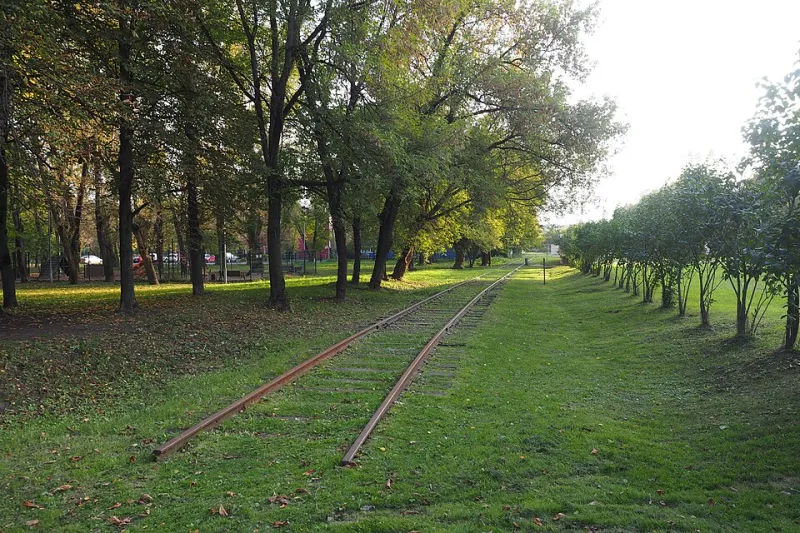
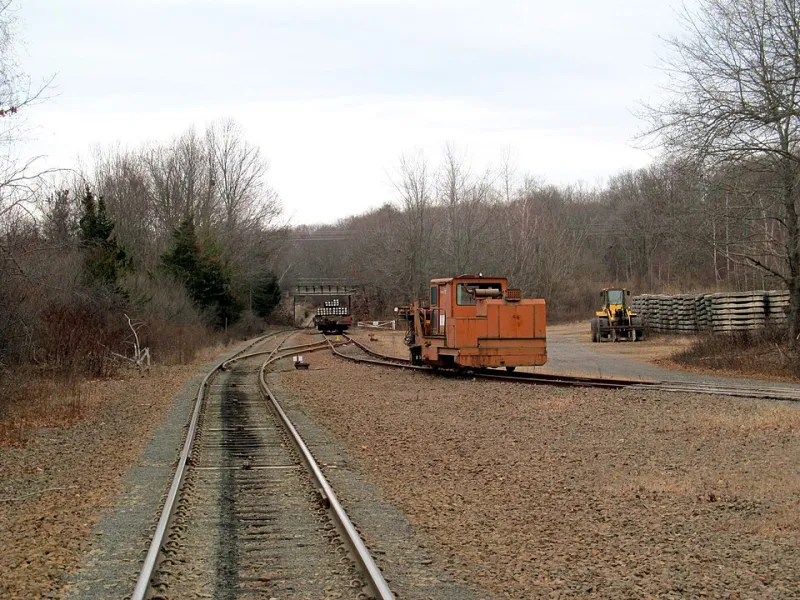
Continuous welded rail (CWR) resolved the problem by removing the joint entirely. Rail mills now ship strings in lengths of 1,440 feet or more, loaded onto specialized trains and field-welded into runs that can extend for miles. The result is a running surface with no transverse discontinuities—smoother ride, lower rolling resistance, slower geometry decay, and a maintenance profile that favors planned surfacing over emergency joint repair.
Thermite: The Chemistry of the Field
Two welding processes dominate North American practice, and each occupies a distinct role.
Thermite welding is aluminothermic by design: a crucible of iron oxide and aluminum powder is ignited, producing a violent exothermic reaction that reduces the oxide to molten steel at roughly 4,000 degrees Fahrenheit. That superheated charge is poured into a mold clamped around the prepared rail ends, fusing them in a single cast. Thermite's virtues are portability and speed. A trained crew can complete a weld in under an hour with equipment that fits in a track truck, which makes it the default method for field welds, turnout work, and repair locations far from fixed infrastructure. Its discipline lies in surface preparation—rail ends must be cut square, cleaned, and gapped to precise tolerances—because the weld inherits whatever the preparation gives it.
Flash Butt: The Factory Standard
Flash butt welding is the heavier industrial method. Electric current is passed across the rail ends until they reach incandescence, then the ends are forged together under hydraulic pressure, expelling impurities in the flash and producing a weld with a refined, uniform microstructure. Because the process is machine-controlled, flash butt delivers tighter consistency and higher fatigue performance, which is why it is specified for mainline construction and performed either at plant facilities or by mobile welding machines that move down the track as a rolling factory. For corridors carrying heavy unit trains—coal, grain, crude, intermodal—flash butt is the specification that procurement documents should anchor to.
The Weld Is Only Half the System
A welded joint that fails in service is more dangerous than a bolted one, because a broken welded joint can separate suddenly under a train. That reality has produced the inspection regime that separates competent construction from bare compliance:
- Ultrasonic testing scans every weld for internal inclusions, porosity, and lack-of-fusion defects before the track is accepted.
- Geometry and stress management matter as much as the weld itself. CWR is installed within a designated rail-laying temperature range and anchored to resist the enormous longitudinal forces of thermal expansion. De-stressing, anchoring density, and ballast confinement are engineered requirements, not contractor preferences.
- Ongoing nondestructive evaluation, including automated ultrasonic test cars, monitors welds throughout their service life.
What It Means for the Specification
For agencies and shippers funding new construction or major rehabilitation, the CWR transition carries three procurement lessons. First, specify weld method by application: flash butt for production mainline work, thermite for field conditions, with ultrasonic acceptance criteria written into the contract. Second, fund the thermal engineering—rail anchors, ballast section, and de-stressing protocols—because weld quality cannot compensate for poor longitudinal restraint. Third, treat inspection as a deliverable, with certified test records attached to every weld number in the track's permanent file.
The clickety-clack was charming. The weld that replaced it is quieter, cheaper to own, and structurally honest about what 30 million tons a year demands. Modern freight corridors are built on that demand being met in writing.