Rail Construction Co. Building America's Rail Infrastructure

Rail Construction Co.

Building America's Rail Infrastructure

Latest Articles

Neutral Temperature Is a Decision: Auditing Continuous Welded Rail for the Next Heat Season
Engineering Economics

Neutral Temperature Is a Decision: Auditing Continuous Welded Rail for the Next Heat Season

Heat restrictions are often treated as weather, but they are the visible output of a thermal budget set years earlier. This audit framework helps track owners evaluate rail neutral temperature, thermal force, and the economics of destressing before summer schedules are locked.
Who Owns the Conflict? A Utility Coordination Sequence for Rail Projects
Project Delivery

Who Owns the Conflict? A Utility Coordination Sequence for Rail Projects

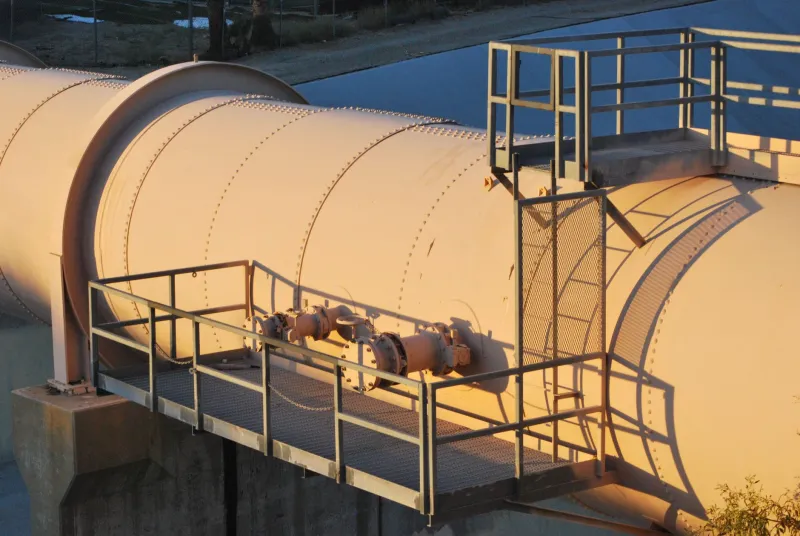
Pipeline, fiber, power, and water conflicts rarely surprise rail project teams in principle, but they routinely surprise them in schedule. A disciplined utility sequence moves third-party relocations off the critical path before they become a construction crisis.

The Fouling Curve: Making the Case for Ballast Cleaning Before the Next Overlay
Industry Trends

The Fouling Curve: Making the Case for Ballast Cleaning Before the Next Overlay

Fouled ballast is often treated as a maintenance nuisance, but it changes track modulus, drainage, and the economics of every subsequent surfacing cycle. A lifecycle comparison of cleaning, undercutting, and overlay gives owners a more defensible way to justify the spend.

The Fork in the Track: Inside the Machine That Moves a Million Cars a Day
Engineering Economics

The Fork in the Track: Inside the Machine That Moves a Million Cars a Day

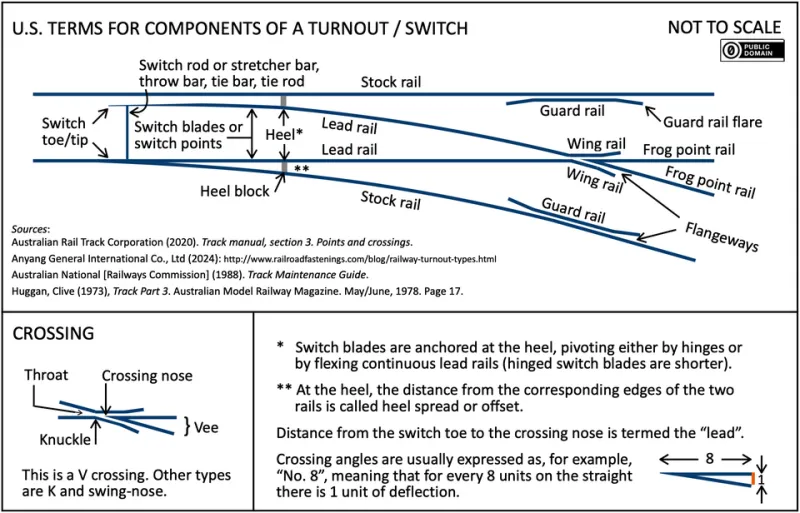
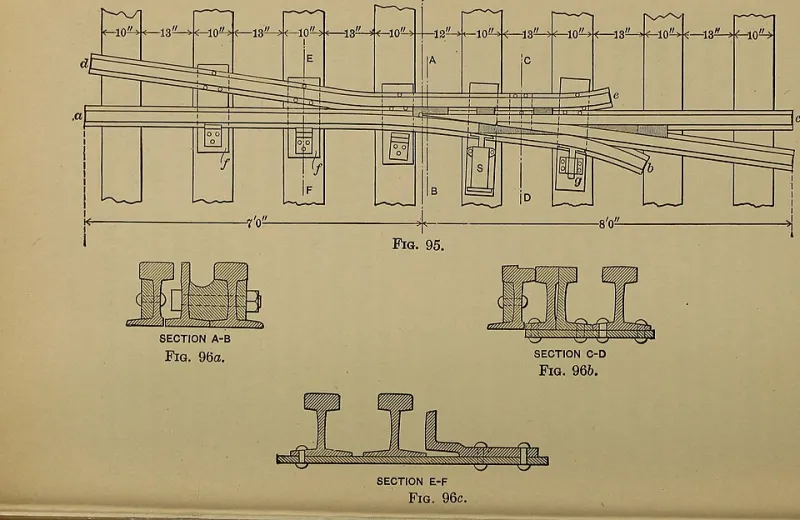
Railroads get the glamour; turnouts get the grief. A closer look at the switch assemblies that route American freight without a single stop — and why their design, fabrication, and field installation determine whether a siding is an asset or a twenty-year maintenance headache.

Reading the Rails Before They Read You: Building a Rebuild Trigger That Works for Your Track
Engineering Economics

Reading the Rails Before They Read You: Building a Rebuild Trigger That Works for Your Track

Class I railroads don't rebuild track on a whim — they run tonnage math and condition data through disciplined trigger criteria. Here's how short line and industrial track owners can borrow that framework to plan capital budgets years ahead of failure.

Midnight Steel: The Real Price Tag of Working Between Trains
Engineering Economics

Midnight Steel: The Real Price Tag of Working Between Trains

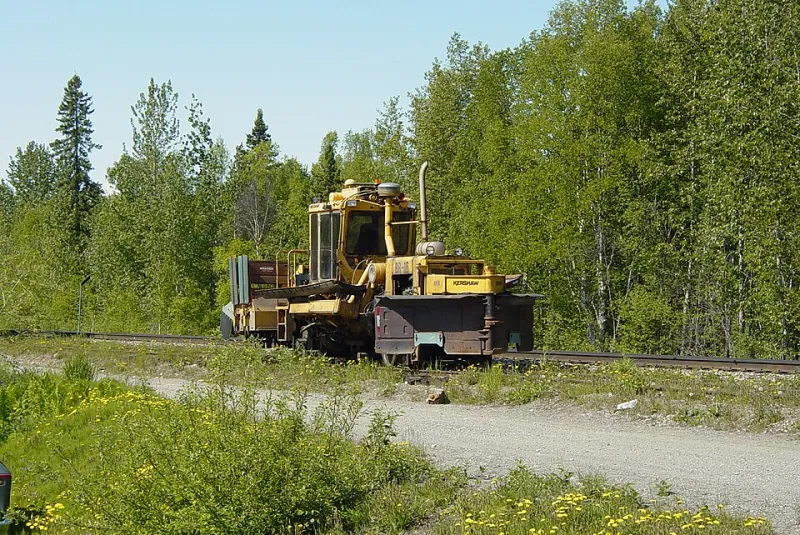
When a Class I railroad grants a contractor four hours of track time at 1 a.m., the invoice looks nothing like a daylight job. We break down why nocturnal production carries a 20-40% premium — and why the shippers footing the bill keep asking for it anyway.

Off the Grid, On the Rails: Powering Wayside Systems Where the Wires Never Reached
Engineering Economics

Off the Grid, On the Rails: Powering Wayside Systems Where the Wires Never Reached

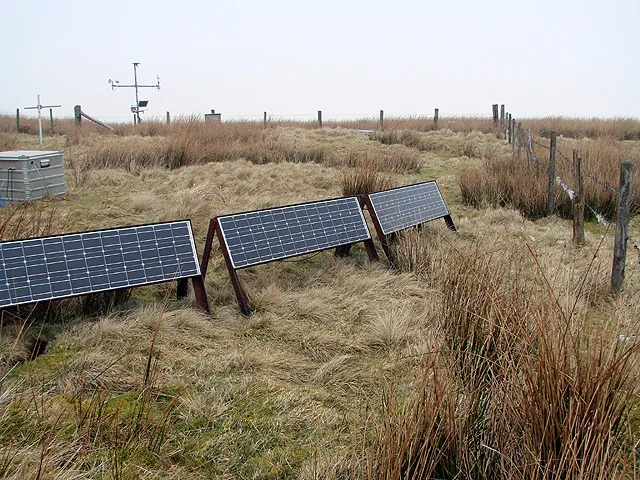
Thousands of miles of American freight corridor sit beyond the reach of economical utility service, yet the signals, switch heaters, and crossing systems along them must run without interruption. Solar arrays, battery banks, and hybrid generation have quietly become the default answer — and the math behind them is reshaping how corridors are maintained.

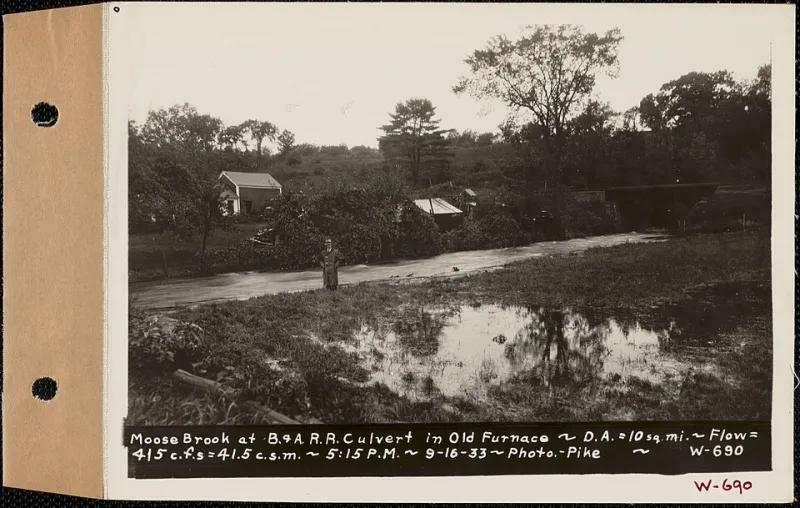
The Cheapest Derailment Is the One Water Never Causes: Why Drainage Deserves a Bigger Line Item
Engineering Economics

The Cheapest Derailment Is the One Water Never Causes: Why Drainage Deserves a Bigger Line Item

Culverts, ditches, and subdrainage are routinely the thinnest numbers on a rail construction bid — and the most expensive to get wrong. A close look at one washout recovery shows how upfront water management pays for itself many times over. For procurement officials comparing proposals, the drainage line deserves a second read.

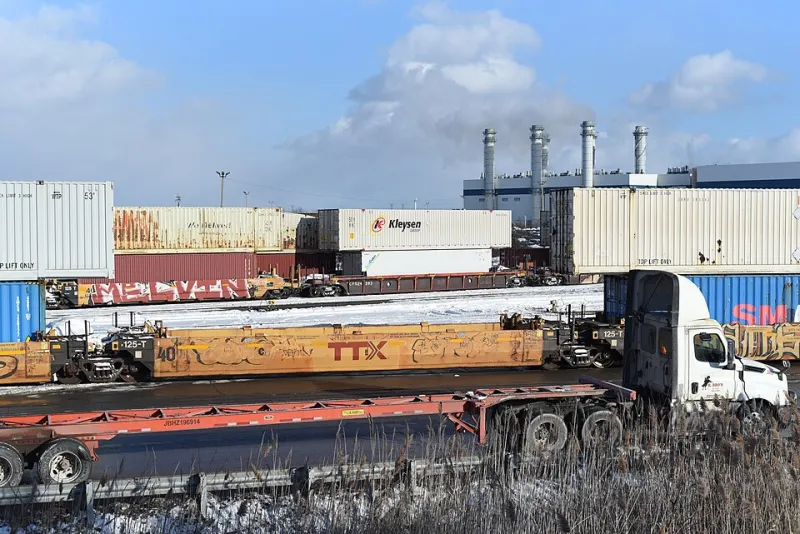
Building the Inland Port: What It Really Takes to Construct an Intermodal Terminal
Engineering Economics

Building the Inland Port: What It Really Takes to Construct an Intermodal Terminal

An intermodal terminal is not a parking lot with rails beside it — it is a layered engineering system where earthwork, foundations, pavement, and track must converge on a schedule. Here is an honest accounting of the construction sequence and the economics that decide whether an inland region can realistically become an ocean-adjacent freight market.

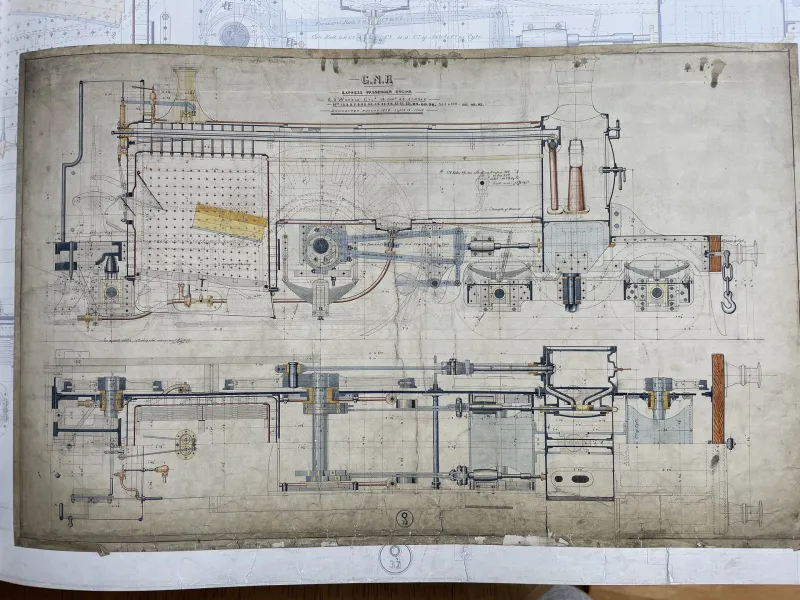
Inheritance of the Transit: Why Nineteenth-Century Survey Decisions Still Price Your Capacity Project
Engineering Economics

Inheritance of the Transit: Why Nineteenth-Century Survey Decisions Still Price Your Capacity Project

Before a single tonnage forecast is modeled, today's capacity upgrades inherit curvature, grade, and right-of-way decisions made with brass instruments and hand-plotted bearings in the 1800s. We trace a representative corridor to show when legacy geometry quietly inflates budgets — and when it's cheaper to honor the old alignment than to fight it.

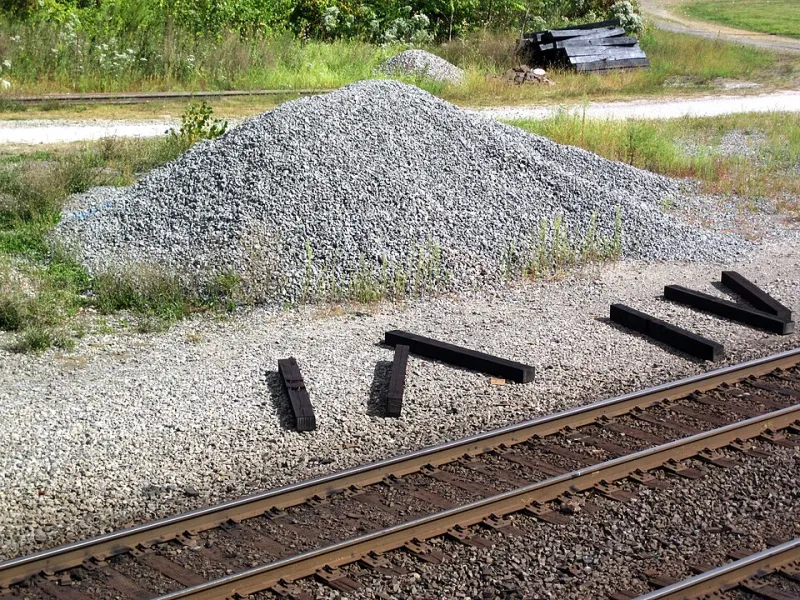
Quarry Math: The Aggregate Supply Chain That Decides Your Corridor's Budget
Engineering Economics

Quarry Math: The Aggregate Supply Chain That Decides Your Corridor's Budget

Ballast looks like the cheapest line item on a rail project until you price the haul. We trace the quarry-to-right-of-way supply chain and explain why aggregate logistics belong in the alignment conversation, not after it.

Slab Track on American Soil: Auditing the Economics Before the Concrete Pours
Engineering Economics

Slab Track on American Soil: Auditing the Economics Before the Concrete Pours

Ballastless track carries decades of proof in European and Asian passenger service, yet American freight railroads remain firmly committed to ballast. We break down the lifecycle math, the axle-load problem, and the narrow set of conditions under which slab track actually pencils out in the United States.

Millimeters from Orbit: What GNSS Machine Control Actually Delivers on a Rail Job Site
Engineering Economics

Millimeters from Orbit: What GNSS Machine Control Actually Delivers on a Rail Job Site

Satellite-guided graders and LiDAR-equipped tampers promise track geometry measured in millimeters rather than inches. We examine what these systems genuinely do in the field, where their accuracy claims break down, and why the survey crew with a prism pole isn't going anywhere. A practical read for procurement officials weighing technology-heavy bids.

Quarter Miles of Silence: The Welding Science That Retired the Clickety-Clack
Engineering Economics

Quarter Miles of Silence: The Welding Science That Retired the Clickety-Clack

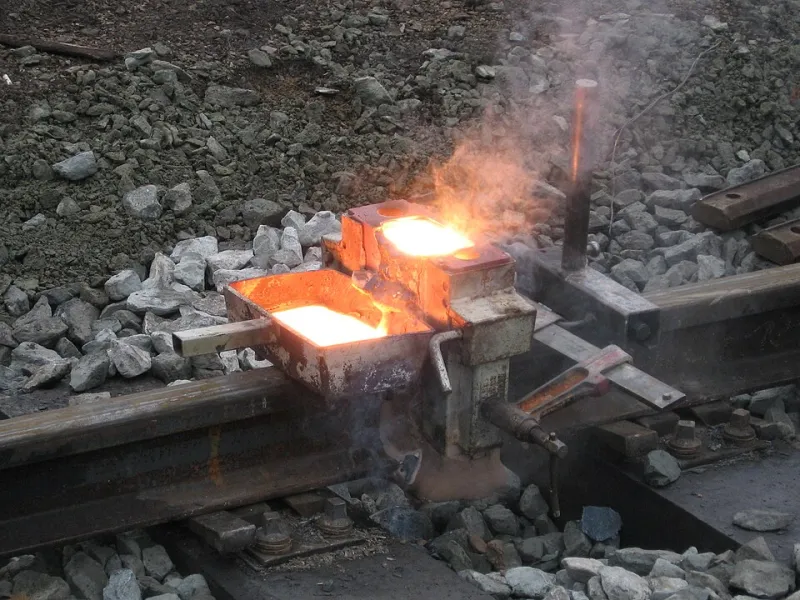
Continuous welded rail quietly rewrote the economics of American freight, trading a century of joint fatigue for quarter-mile strings of steel. Here's how thermite and flash butt welding actually work, why inspection regimes matter as much as the weld itself, and what procurement officers should demand in modern track specifications.

When the Dispatcher Screen Goes Black: Inside the Fail-Safe Logic That Keeps Freight Moving
Engineering Economics

When the Dispatcher Screen Goes Black: Inside the Fail-Safe Logic That Keeps Freight Moving

Modern signaling is engineered around a simple premise: when control systems fail, the railroad must default to safety, not chaos. This technical walkthrough examines the interlocking hardware, communication redundancy, and field protocols that govern a dark dispatch line — and what procurement officials should verify before awarding a signal construction contract.

The Ground Beneath the Loading Dock: Picking Pavement That Survives Your Heaviest Trucks
Engineering Economics

The Ground Beneath the Loading Dock: Picking Pavement That Survives Your Heaviest Trucks

Facility designers often treat the surface under their heaviest corridors as an afterthought, then pay for it in repairs within five years. This guide compares ballast, slab track, and reinforced pavement on a cost-per-axle basis, with a practical decision matrix for site engineers.

Hands Before Steel: Rebuilding the Apprenticeship Pipeline Behind American Track Construction
Industry Trends

Hands Before Steel: Rebuilding the Apprenticeship Pipeline Behind American Track Construction

The labor shortage gripping US rail construction is not a hiring problem — it is a transmission problem. Decades of dismantled apprenticeship systems have left contractors with work to bid and too few qualified hands to build it, and the solution lies in structured training pipelines, not job postings.

Fifty-Two Hours, One Mile: Anatomy of a Weekend Mainline Rebuild
Engineering Economics

Fifty-Two Hours, One Mile: Anatomy of a Weekend Mainline Rebuild

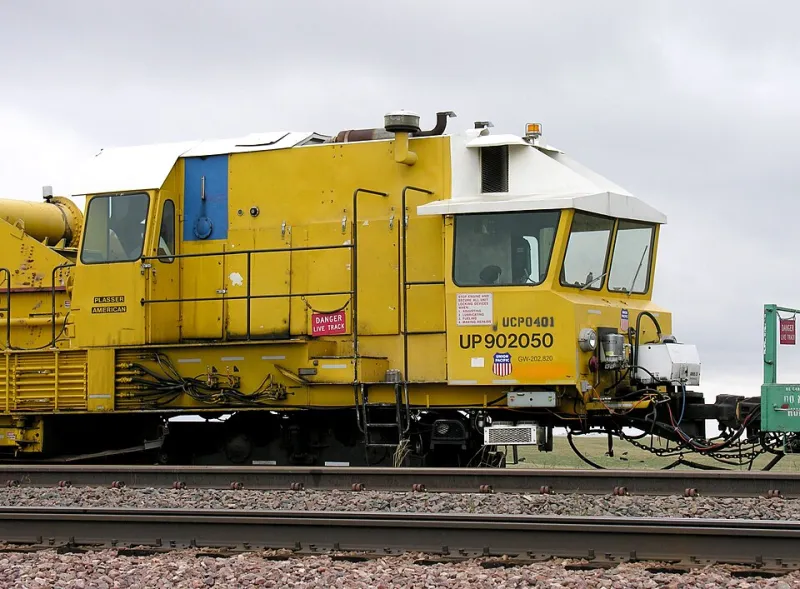
Between Friday night and Monday morning, a full production crew can tear out and rebuild a mile of mainline track. We break down the logistics, staging, and crew choreography that make compressed possession windows work — and why tight deadlines often produce better quality than open-ended schedules.

Steam-Era Steel, Modern Tonnage: Rethinking the Rail Bridge Replacement Cycle
Engineering Economics

Steam-Era Steel, Modern Tonnage: Rethinking the Rail Bridge Replacement Cycle

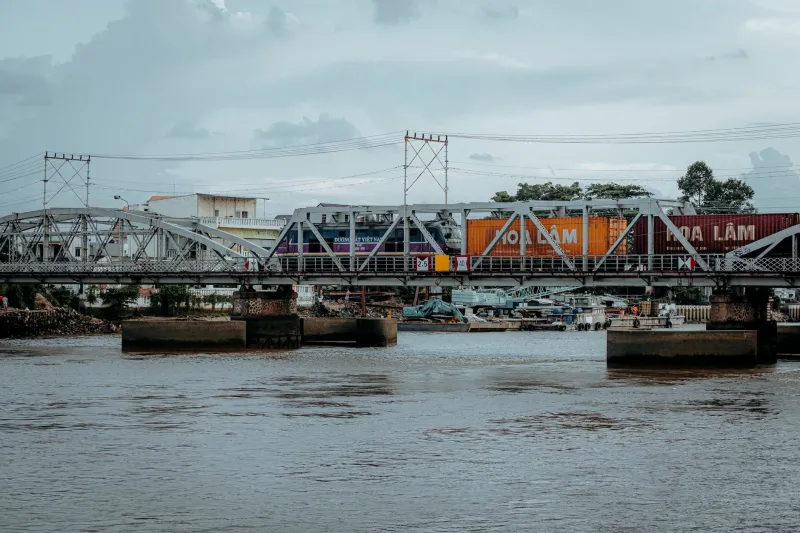
Most of America's rail bridges were engineered for locomotives that no longer exist, yet they carry freight cars nearly twice as heavy as their designers imagined. This analysis examines the lifecycle economics behind rehabilitation-versus-replacement decisions and how owners can compress capital programs that traditionally stretch across decades.

The Metal Remembers: Decoding Rail Wear Before It Decides Your Budget
Engineering Economics

The Metal Remembers: Decoding Rail Wear Before It Decides Your Budget

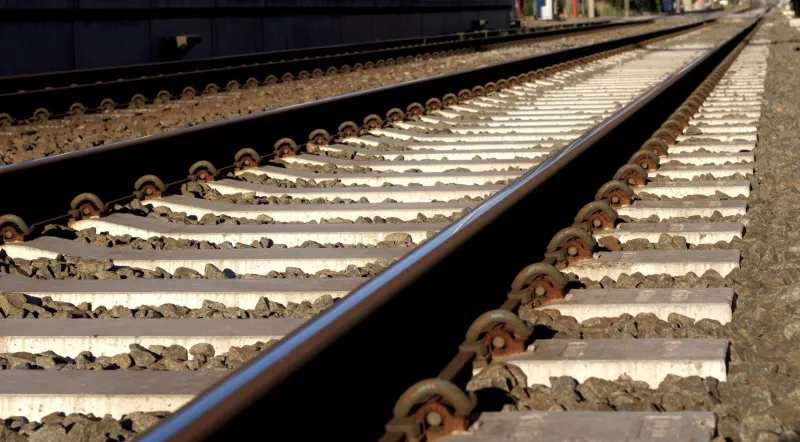
Every rail section carries a record of the tonnage, curvature, and maintenance choices that shaped it. Learning to read that record allows infrastructure owners to schedule grinding, transposition, and replacement on economics rather than emergency.