The Hidden Invoice: How Poor Rail Access Drains Manufacturing Margins

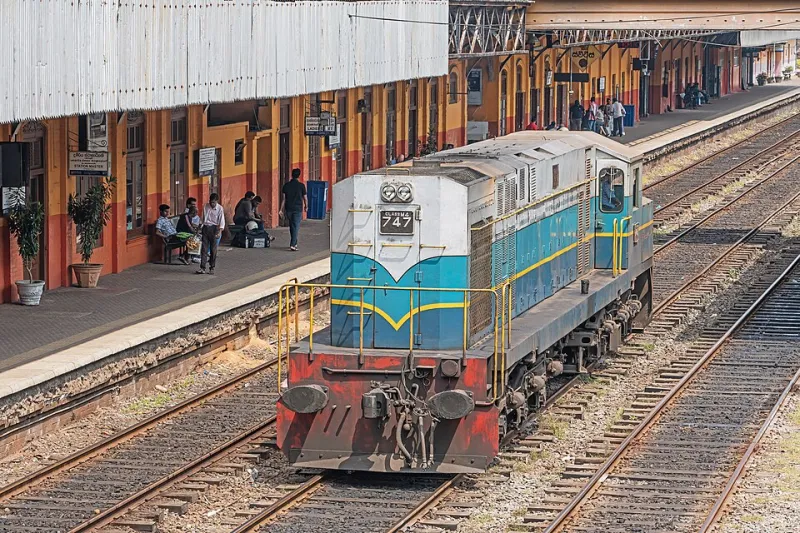
Photo by Photo by Rafael Peier on Unsplash on Unsplash
For plant managers and logistics directors, the railroad bill rarely arrives as a single line item labeled "bad track." It arrives scattered across demurrage invoices, idle labor hours, expedited freight premiums, and capacity you cannot sell. Add it up, and poor rail access can quietly drain six figures from a facility's annual margin.
Here are five signs we see in the field — and what they actually cost.
1. Demurrage Charges Have Become Routine
Demurrage is designed as an occasional penalty, not a subscription. If your facility is paying it most weeks, the problem is usually dwell time: cars sitting on your siding because your team cannot load or spot them fast enough.
A realistic example: 10 cars per week incurring two days of demurrage at $300 per day equals roughly $312,000 per year. A carloading upgrade — better spotting geometry, an additional spur, faster switching — that cuts that in half pays for a seven-figure track project in under seven years, often far less.
2. Your Crews Are Switching by Hand
When a switch stand is deteriorating or poorly placed, crews resort to dragging, prying, and improvising. Every manual throw adds minutes, and minutes compound. If a switch takes four minutes instead of one, and you throw it 20 times a day, that is roughly 240 labor hours a year spent fighting your own infrastructure — plus the safety exposure that comes with it. A modern, low-effort switch stand installation is measured in thousands of dollars, not millions. The payback math is almost embarrassing.
3. You Cannot Take the Cars You Need
Clearance restrictions — a tight curve, a low overhead structure, an inadequate car spacing — may limit you to shorter cars or smaller consists. If a modern high-capacity hopper cannot reach your dock, you are shipping more truckloads than you should be. At a $500–$900 per-truck premium over rail on many lanes, losing even 300 loads a year to clearance constraints represents $150,000 to $270,000 in avoidable freight spend.
4. Track Speed Limits Are Forcing Extra Switching
Deteriorating subgrade, mud spots, or worn surfacing often force railroads to impose slow orders or restrict deliveries to single cars. Every restriction translates into more switching moves, longer spot times, and more demurrage exposure. A surfacing and substructure rehab that restores full car capacity frequently costs less than two years of the inefficiency it eliminates.
5. Maintenance Costs Are Trending One Direction
If your annual track maintenance spend has grown three years running while condition only marginally improves, you are subsidizing decline, not deferring it. At some point — typically when tie density failures and joint defects cluster — repair stops being economical and rebuild becomes the rational choice. Our guidance: run a formal condition audit before the railroad's inspector makes the decision for you.
The Bottom Line
None of these five signs appears on a balance sheet as "rail access problem." But together they form a hidden invoice, and it gets larger every year. The facilities that win on logistics are the ones that audit their trackage with the same rigor they apply to production equipment — and invest before the penalties, not after.