The Metal Remembers: Decoding Rail Wear Before It Decides Your Budget
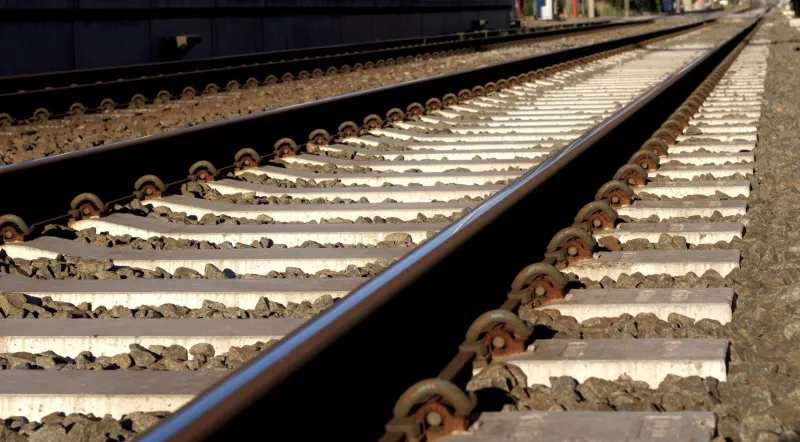
Rail does not fail without warning. Long before a defect forces an emergency speed restriction or an unplanned outage, the steel has been signaling its condition — in lateral wear along the gauge face, in the periodic ridges of corrugation, in the fine surface cracks engineers call head checks. For owners of freight corridors, industrial leads, and transit systems, the question is not whether the rail is telling them something. It is whether anyone is keeping notes.
Wear Is a Ledger, Not a Defect
The most common instinct among track owners is to treat wear as a binary condition: acceptable or condemned. The more useful framing is financial. Every loaded axle that passes a curve writes a small debit against the gauge face of the high rail. Aggregate those debits across millions of gross tons, and the wear pattern becomes a ledger of how the line is actually being used — tonnage distribution, axle loads, lubrication performance, even the quality of past surfacing work.
Gauge face wear is the clearest entry in that ledger. In a sharp mainline curve carrying heavy unit trains, lateral wear of a few millimeters per hundred MGT is unremarkable. When the same wear rate appears on tangent track, something else is at work: poor wheel profiles, inadequate lubrication, or a hunting oscillation that will also punish the ballast and fastening systems. Reading the steel in context, in other words, tells you which asset to fix first.
The Three Signals That Matter Most
Field measurement programs tend to concentrate on three wear families, each with distinct implications for lifecycle planning.
Gauge face and vertical wear. Measured with straightedge or automated inspection, these losses determine how much fatigue-free rail remains. Wear that stays ahead of the fatigue curve allows grinding cycles to manage the surface; wear that falls behind accelerates the clock toward replacement.
Corrugation. Those short-pitch waves you can feel in a passing car are more than a ride-quality complaint. Corrugation drives dynamic loading that damages ties, fasteners, and ballast well beyond the rail itself. Left ungrounded, the vibration penalty compounds across the whole track structure.
Head checks and rolling contact fatigue. These fine surface cracks, common on the high rail of curves and near gauge corners, are the most consequential signal of all. Caught early, they are removed by a few grinding passes. Missed, they deepen into shells and transverse defects — the difference between a scheduled maintenance dollar and an unplanned capital event.
Grinding, Transposition, or Replacement
With a credible wear picture in hand, owners can compare three interventions on lifecycle cost rather than habit.
Rail grinding is the workhorse. A preventive cycle — typically removing a few tenths of a millimeter per pass on a repeating schedule — keeps fatigue cracks from propagating and restores a favorable wheel-rail contact band. Corrective grinding, by contrast, is the expensive rescue of a surface that was allowed to deteriorate. The first approach costs less per ton-mile over the rail's life; the second is what happens when inspection data goes unread.
Transposition — swapping rail from the high side of a curve to the low side, or from a light-traffic branch to heavier service — can extract years of additional life from steel that still has fatigue reserves. It is labor-intensive and only pencils out when wear is lateral rather than internal, which is precisely why it demands honest measurement rather than visual judgment.
Full replacement is the right answer less often than budgets assume. When the analysis shows fatigue cracking outpacing wear, or when the base rail is an older section no longer compatible with modern traffic, renewal is justified. But replacing rail that a grinding program could preserve is one of the most common capital misallocations we see when we audit private industrial track.
Building the Measurement Habit
The economics only work if the data collection is disciplined. A practical program for most owners includes:
- Baseline profile measurements on every curve above a defined degree, repeated on a tonnage interval rather than a calendar one
- Ultrasonic and surface inspection timed to catch head checks before they exceed removable depth
- A wear-rate log per curve segment, so deterioration trends become visible across years, not just inspections
- A written trigger matrix: at what wear depth does grinding occur, at what fatigue density does transposition get evaluated, at what point replacement enters the capital plan
None of this requires exotic technology. It requires consistency — the same discipline that governs any other depreciating asset in a plant or a public agency's portfolio.
The Steel Will Speak Either Way
A rail line's future is legible years in advance to anyone measuring it. Owners who read the wear record schedule work on their own terms, bundle mobilizations, and extend rail life well beyond nominal expectations. Owners who don't will still get the information — delivered as a slow order, a derailment investigation, or a replacement bid with no leverage attached. The metal remembers everything. The only variable is whether the bill arrives as a line item or a crisis.


